
Stun guns and shock batons offer non-lethal solutions for self-defense and crowd control, differing in delivery systems and applications. Stun guns fire projectiles delivering electric current from a distance, while shock batons use direct contact terminals with shorter range but broader area effect. Shock batons have longer reach (5-7m vs 2-3m) and are favored for tactical situations, whereas stun guns provide discreet personal protection. Both weapons operate on electrical energy, disrupting muscle control, but face varying legal restrictions globally. Safe use requires understanding voltage, training, maintenance, and scenario-specific advantages.
“Uncover the battle of the stun weapons: Projectile versus Contact. In this comprehensive guide, we explore the nuances of two prominent categories: projectile stun devices and contact-based stun weapons. Learn how each operates, from the precision of thrown gadgets to the direct impact of handheld batons. We delve into their advantages, range limitations, and legal implications, offering a detailed comparison—your ultimate stun gun vs shock baton resource for informed decision-making.”
- Understanding Stun Weapons: A Basic Overview
- Projectile Stun Devices: How They Work and Their Advantages
- Contact-Based Stun Weapons: Features and Applications
- Comparing Range and Effective Distance
- Legal Considerations and Safety Precautions
Understanding Stun Weapons: A Basic Overview
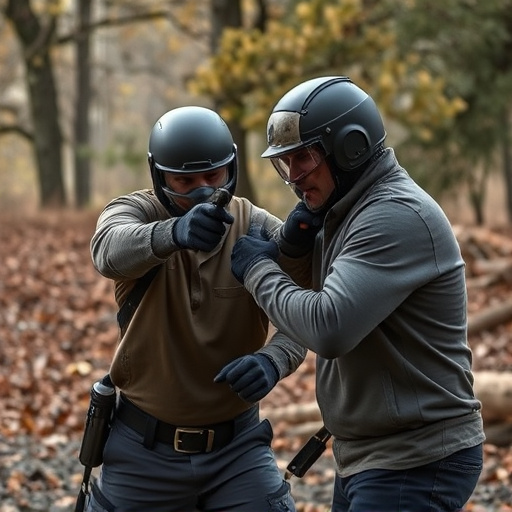
Stun weapons, often referred to as non-lethal or less-than-lethal force tools, are designed to temporarily incapacitate individuals through electrical or mechanical means, allowing for safer control and restraint in various situations. These devices have become increasingly popular among law enforcement agencies, security personnel, and even civilians seeking personal protection. The primary purpose is to disrupt muscle control without causing permanent harm, making them a preferred alternative to firearms in certain scenarios.
When comparing stun guns and shock batons (a type of Taser), the main difference lies in their delivery system. Stun guns fire small electrodes encased in projectiles, delivering an electric current upon impact. In contrast, shock batons use a pair of probed terminals that make direct contact with the target, generating a powerful electrical pulse. This distinction influences factors like range, power output, and effectiveness, making each weapon more suitable for specific applications. For instance, stun guns offer a longer effective range but require point-of-contact, while shock batons provide shorter reach but can disrupt larger areas with their electric fields.
Projectile Stun Devices: How They Work and Their Advantages
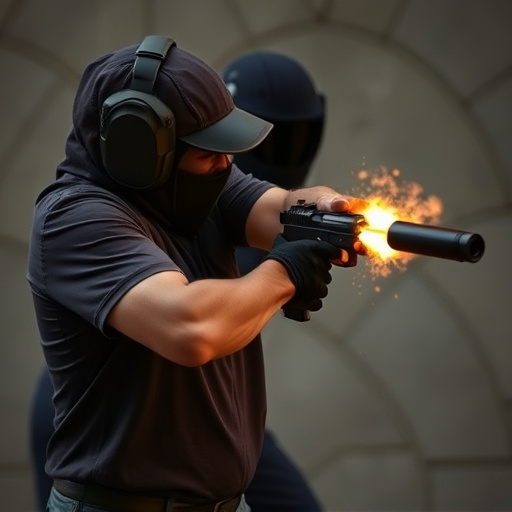
Projectile stun devices, such as stun guns and shock batons, operate by firing non-lethal projectiles that deliver an electric current to the target. When activated, these weapons emit a powerful electrical discharge designed to incapacitate temporarily without causing permanent harm. Stun guns typically use small darts or rounds that are launched at high velocity, ensuring they can be deployed from a distance. This feature offers several advantages over contact-based stun devices, like shock batons.
In a stun gun vs shock baton comparison, one key benefit of projectile stun devices is their range and strategic versatility. Users can engage targets without requiring direct physical contact, making them ideal for self-defense scenarios where maintaining distance is crucial. This advantage is particularly relevant in crowded or dynamic environments, allowing individuals to defend themselves effectively while minimizing potential risks to bystanders.
Contact-Based Stun Weapons: Features and Applications
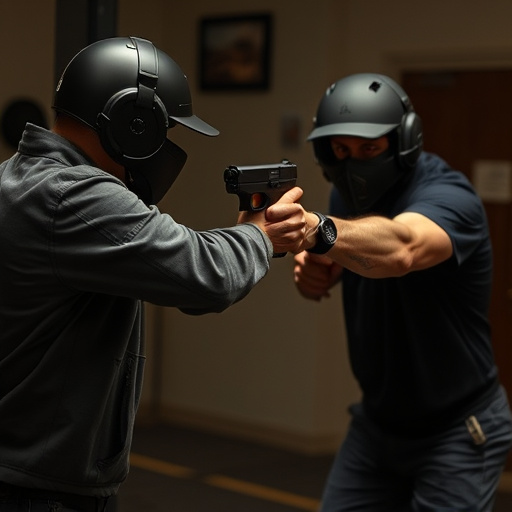
Contact-based stun weapons, such as stun guns and shock batons, are designed to deliver a powerful electric current that temporarily incapacitates the target through muscle contraction. These devices operate by using electrical energy to disrupt the nervous system, causing the individual to lose balance, fall, or become momentarily unconscious. Stun guns, often carried in a handgun-like form, offer a non-lethal option for self-defense, allowing users to subdue attackers from a distance of several feet. In contrast, shock batons are typically extended tubes that emit an electric charge when activated, enabling officers to control and restrain individuals during arrests or crowd control situations.
When comparing stun guns vs shock batons, key differences lie in their design and application. Stun guns are more versatile for personal protection, suitable for individuals seeking a discreet yet powerful self-defense tool. Shock batons, on the other hand, are tactical devices primarily used by law enforcement for crowd control and arrest procedures, offering greater reach and control during high-risk scenarios. Both types of weapons have their advantages in specific situations, making them valuable tools for personal safety and public order maintenance.
Comparing Range and Effective Distance
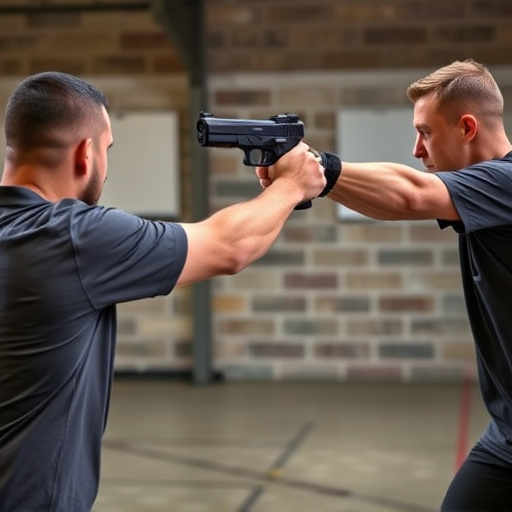
When comparing stun guns versus shock batons, one key aspect to consider is range and effective distance. Stun guns, often known as electroshock weapons, typically offer a shorter effective range compared to their contact-based counterparts, such as shock batons. While stun guns can deliver a powerful electric shock from a distance of around 2–3 meters (6–10 feet), this range is significantly less than that of a shock baton. Shock batons can stun targets effectively up to 5–7 meters (16–23 feet) away, making them more versatile for self-defense in various scenarios.
In terms of effective distance, shock batons excel due to their ability to deploy electrical energy directly onto the target’s body through physical contact. Stun guns, on the other hand, rely on projecting an electric charge over a certain distance, which can be less reliable if the target is not within the optimal range or if there are interfering factors like rain or wet conditions. This disparity in range and effectiveness underscores the unique advantages of each type of stun weapon, influencing decisions based on specific user needs and situations.
Legal Considerations and Safety Precautions
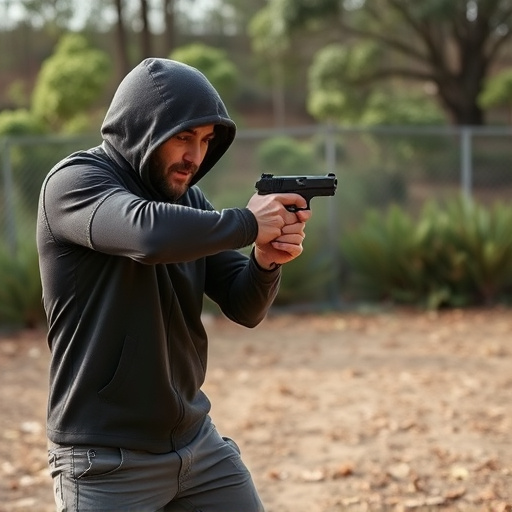
When considering stun guns versus shock batons, it’s crucial to understand the legal landscape surrounding these devices varies greatly by jurisdiction. In many countries and states, both types fall under specific regulations pertaining to self-defense weapons. Stun guns and shock batons are often categorized differently, with separate rules regarding their use, possession, and legality. For instance, some areas permit stun guns for personal protection but restrict their use as a weapon against law enforcement or in certain public spaces. In contrast, shock batons might be subject to more stringent controls due to their potential as a blunt force tool.
Safety precautions are paramount when using either device. Users must ensure they understand the range and power of their chosen weapon, as both stun guns and shock batons can have varying voltage levels and impact distances. Proper training is essential, especially for individuals considering self-defense options. Additionally, regular maintenance and inspection of these devices are vital to guarantee their effectiveness and safety. A comparison between stun guns and shock batons should factor in these legal considerations and safety precautions to ensure informed decisions regarding personal protection.
In the ongoing debate between projectile and contact-based stun weapons, each has its unique advantages. Projectile stun devices offer a non-lethal solution with a greater range, making them ideal for strategic deployment and crowd control. On the other hand, contact-based stun weapons provide immediate effectiveness and are highly versatile for close-quarters applications. When considering a stun gun vs shock baton comparison, understanding their operational differences is key to selecting the right tool for specific situations. Always remember to prioritize safety and adhere to legal guidelines when acquiring or using either type of stun device.