
This text explores the strategic differences between stun guns and shock batons, two non-lethal weapons utilizing electric current for incapacitation. Stun guns deliver high-voltage, low-current shocks to specific body parts, causing localized paralysis, while shock batons emit lower voltage but higher current over a broad area, inducing severe pain and full-body muscular contractions. The stun gun vs shock baton comparison guides users in choosing the right tool based on operational differences and strategic applications, emphasizing safety considerations crucial for law enforcement and individuals to ensure informed decision-making and safe usage.
Electrical current spread patterns play a crucial role in understanding the effects of stun guns and shock batons. This article delves into the intricate dynamics of how electrical energy disperses, with a focus on comparing stun guns to shock batons. We explore practical implications and safety considerations, shedding light on the differences that matter. From the laboratory to real-world scenarios, this analysis equips readers with insights into the subtle yet significant distinctions between these non-lethal weapons.
- Understanding Electrical Current Spread Patterns
- Stun Gun vs Shock Baton: A Comparative Analysis
- Practical Implications and Safety Considerations
Understanding Electrical Current Spread Patterns
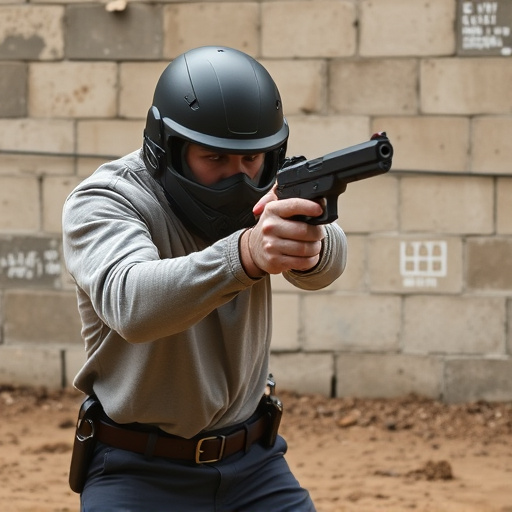
Understanding Electrical Current Spread Patterns is crucial when comparing stun guns and shock batons—two non-lethal weapons that utilize electric current to incapacitate targets. The way electrical current spreads across a target’s body can significantly impact the effectiveness of these devices. Stun guns, for instance, are designed to deliver high-voltage, low-current shocks, focusing on disrupting motor functions and causing temporary paralysis. This results in a localized effect, with current concentrating on areas like hands, feet, or any point of contact, disabling a subject without profound systemic effects.
In contrast, shock batons emit lower voltage but higher current levels over a broader area, creating a more diffuse current spread pattern. This design intends to induce muscular contractions and severe pain across the entire body, leading to temporary incapacitation. The comparison highlights different strategies for neutralizing threats, with stun guns emphasizing localized disruption and shock batons employing a full-body approach.
Stun Gun vs Shock Baton: A Comparative Analysis
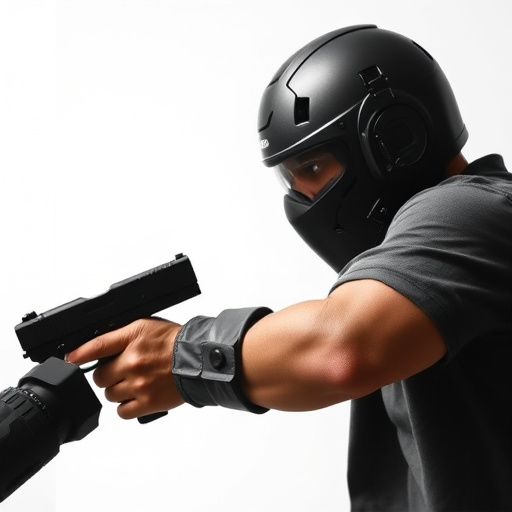
In the realm of personal defense tools, the Stun Gun and Shock Baton stand out as two popular options, each with its unique capabilities and application. When comparing these devices, understanding their operational differences is paramount for users seeking effective protection. A stun gun, as the name suggests, fires a high-voltage, low-amperage electrical charge designed to temporarily incapacitate an assailant by disrupting muscular control. This non-lethal weapon delivers a powerful jolt through direct contact, making it ideal for close-quarters defense.
In contrast, a shock baton employs a different approach, utilizing a metal rod with protruding electrodes that conduct electricity. It creates a high-intensity electric field, delivering a strong current to the target area upon contact or when activated remotely. Unlike stun guns, shock batons can be more versatile, offering both direct and projected defense strategies. This comparison highlights the distinct features of each device, allowing users to make informed choices based on their specific needs and preferences in terms of stun gun vs shock baton.
Practical Implications and Safety Considerations
The analysis of electrical current spread patterns has significant practical implications, especially in the context of understanding and comparing weapons like stun guns and shock batons. By studying how electricity flows through different materials and bodies, we can gain insights into their effectiveness and safety as force-protection tools. This knowledge is crucial for law enforcement agencies and individuals seeking to make informed choices between these devices.
Safety considerations are paramount when dealing with electrical current. Stun guns and shock batons use high-voltage, low-current electricity to incapacitate targets without causing severe harm. However, direct contact or proximity to the device during activation can result in electric shocks, burns, or even cardiac arrest. Therefore, proper training and adherence to safety protocols are essential for operators using these tools, ensuring they understand the risks and how to mitigate them effectively.
Electrical current spread patterns play a pivotal role in understanding the effects of stun guns and shock batons, leading to crucial safety implications. Our analysis reveals that while both devices deliver electric shocks, their spread patterns differ significantly. Stun guns produce a more localized current flow, potentially minimizing damage to surrounding tissues, whereas shock batons emit a broader pattern, increasing the risk of muscle contractions and potential trauma. This stun gun vs shock baton comparison highlights the importance of choosing the appropriate device based on intended use, emphasizing the need for responsible handling and awareness of safety considerations in law enforcement and self-defense applications.