This text presents a detailed comparison between stun guns and shock batons, two personal safety devices. Stun guns use high-voltage pulses to incapacitate, while shock batons combine physical force with low-voltage pulses. Design differences include grip types—stun guns offer non-slip ergonomic grips, and shock batons have textured grips for traction. Weight balance is crucial for precise deployment. User experience dictates the best choice: stun guns are easy to use and portable, while shock batons provide tactical advantages in close combat, with heavier weights for increased impact. The ideal device depends on individual needs and scenario preferences.
In today’s world, personal safety is paramount. When considering self-defense options, understanding the nuances between stun guns and shock batons is crucial. This article delves into a specific aspect of these devices: comfortable grip designs. We explore key differences between stun guns and shock batons, analyze safety features incorporated into ergonomic grips, and conduct a comparative analysis of user experiences to help you make an informed choice in the ever-growing market of personal safety tools.
- Stun Gun vs Shock Baton: Key Differences
- Comfortable Grip Design Features for Safety
- Comparative Analysis of User Experience
Stun Gun vs Shock Baton: Key Differences
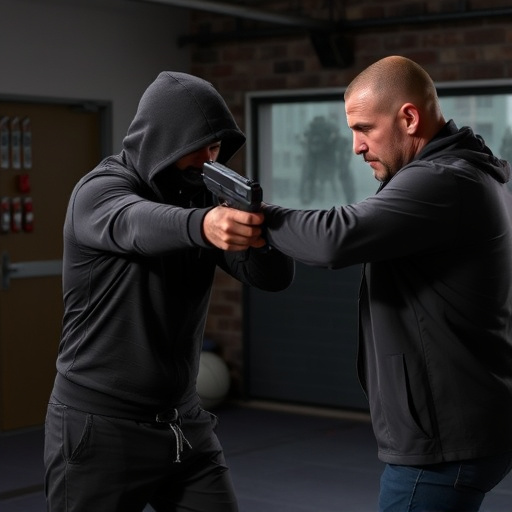
When it comes to personal safety devices, stun guns and shock batons are often considered similar tools, but they serve distinct purposes with notable differences in design and functionality. The primary distinction lies in their method of incapacitating an assailant. A stun gun delivers a high-voltage electric discharge aimed at temporarily paralyzing the target through muscular contractions, while a shock baton uses physical force combined with low-voltage electrical pulses to disrupt muscle control.
In terms of appearance, stun guns are typically hand-held devices resembling firearms, with a trigger mechanism and a barrel that emits the electric pulse. In contrast, shock batons resemble traditional batons or clubs, featuring a handle and a striking surface, often equipped with electrodes to conduct electrical charges. The stun gun vs shock baton comparison thus revolves around these fundamental differences in both their physical design and operational principles.
Comfortable Grip Design Features for Safety
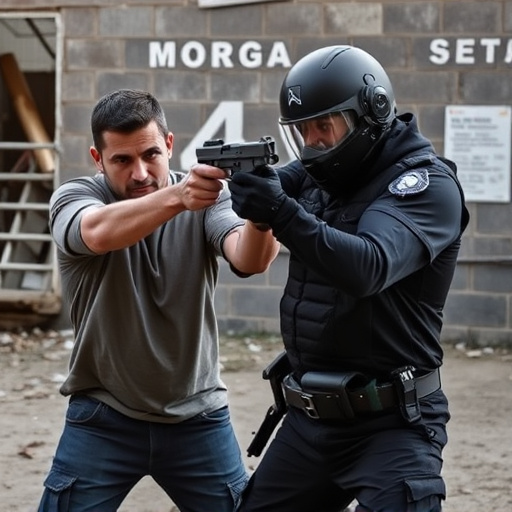
A key consideration in choosing a self-defense tool is the comfort and ease of its grip design, especially when comparing stun guns to shock batons. Comfortable grip features significantly enhance safety and user confidence during an encounter. Stun guns, for instance, often incorporate ergonomic designs that ensure the device stays firmly in hand, reducing accidental discharge risks. These grips are designed to be non-slip, even under pressure, allowing users to maintain control despite adrenaline spikes.
In contrast, shock batons typically have grip sections with specialized textures or patterns that provide better traction. This design is particularly useful for extended use, as it prevents user fatigue and maintains precision when swinging the baton. The balance between the weapon’s weight and the grip’s comfort is crucial, ensuring users can deploy the tool effectively without compromising safety or control during a critical situation.
Comparative Analysis of User Experience
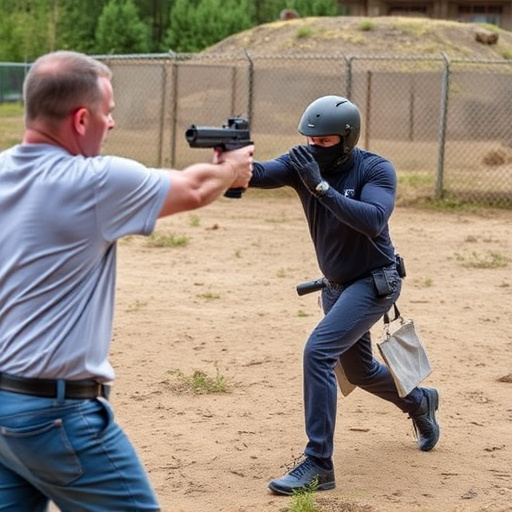
When comparing a stun gun to a shock baton, user experience plays a pivotal role in determining which option is more suitable for self-defense scenarios. Stun guns are designed to incapacitate through high voltage electrical discharge, often with a single powerful strike. Their ergonomic designs focus on providing a comfortable grip and ease of use, making them accessible to individuals of various physical abilities. In contrast, shock batons, typically featuring extended reach and multiple striking surfaces, offer a different approach to non-lethal force. Users appreciate the tactical advantage of batons for close-quarters combat, where the ability to control an aggressor’s movement is crucial.
The user experience also involves factors like weight distribution, grip firmness, and overall balance. Stun guns often prioritize weight reduction to enhance portability, while shock batons may incorporate heavier materials for increased impact force. Comfortable grip designs on both types aim to minimize strain during intense situations. A stun gun vs. shock baton comparison reveals that the ideal choice depends on individual needs, with each weapon offering unique advantages tailored to specific self-defense scenarios and user preferences.
When considering a self-defense tool, understanding the nuances between a stun gun and a shock baton is essential. This article has highlighted key differences, especially focusing on comfortable grip designs that enhance safety. In the stun gun vs shock baton comparison, ergonomic grips stand out as critical features for user comfort and control during emergency situations. By prioritizing these design elements, individuals can make informed choices to ensure their personal safety without compromising effectiveness.